Free, helpful information about Card Guides and related Can i Use My Credit Card At An Atm Machine topics.
Get clear and easy-to-understand details about Can i Use My Credit Card At An Atm Machine topics and resources.
Answer a few optional questions to receive offers or information related to Card Guides. The survey is optional and not required to access your free guide.
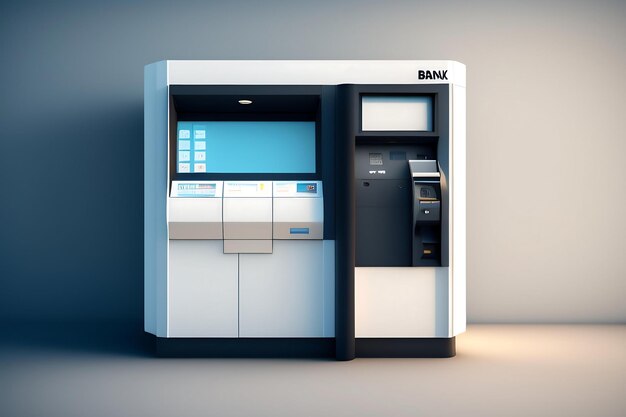
Yes, you can use a credit card at most ATM machines—but what happens next depends on how your card issuer has set it up and what the ATM operator allows. Understanding the mechanics, costs, and trade-offs will help you decide whether it makes sense for your situation.
When you insert a credit card into an ATM, you're typically initiating a cash advance—a short-term loan against your credit line. This is different from using a debit card, which draws directly from your bank account. The ATM reads your card, verifies you have available credit, and dispenses cash.
Not all credit cards are enabled for ATM withdrawals. Some issuers disable this feature by default as a fraud-prevention measure. You can usually request activation through your card issuer's website, app, or customer service.
Credit card cash advances carry multiple costs that make them significantly more expensive than other borrowing methods:
ATM fees: Your card issuer typically charges a flat fee (often $3–$5 or more per transaction) plus a percentage of the withdrawal amount. The ATM operator may impose an additional surcharge.
Higher interest rates: Cash advances usually carry a much higher APR than regular purchases—sometimes 5–10 percentage points above your standard rate. This rate applies immediately; there's no grace period like you get with purchases.
Immediate interest accrual: Unlike credit card purchases, interest on cash advances begins accruing the moment you withdraw the money. There's no interest-free period.
These combined costs mean that a $200 cash advance could easily cost $10–$15 in fees alone, plus interest charges that begin the same day.
| Factor | What It Means |
|---|---|
| Card issuer's ATM fee | Ranges widely; check your cardholder agreement |
| ATM operator's surcharge | Independent ATMs often charge more than bank-owned ones |
| Your card's APR for cash advances | Typically higher than your purchase APR |
| How long you carry the balance | Interest accrues daily; longer balances cost exponentially more |
| Your credit limit | You can only withdraw up to your available credit |
Debit card withdrawals: If you have a bank account, using a debit card at your own bank's ATM is free and doesn't incur interest.
ATM withdrawals from your bank: Many checking accounts include free ATM access at affiliated networks.
Requesting cash back at retail: Grocery stores, pharmacies, and other merchants often provide free cash-back options with debit card purchases.
Personal loans or lines of credit: If you need cash regularly, these typically offer lower interest rates than credit card cash advances.
Asking your bank for a short-term advance: Some banks offer emergency cash advances to customers at lower rates than credit card companies.
There are limited scenarios where using your credit card at an ATM is practical:
Even in these cases, the goal should be to repay as quickly as possible to minimize interest charges.
Check your cardholder agreement or contact your issuer to confirm:
Then ask yourself: Is there a free or lower-cost way to get the cash I need? For most people, the answer is yes—making the credit card ATM route an expensive last resort rather than a primary strategy. 💰