Free, helpful information about Card Guides and related Can i Take Out Cash From Credit Card topics.
Get clear and easy-to-understand details about Can i Take Out Cash From Credit Card topics and resources.
Answer a few optional questions to receive offers or information related to Card Guides. The survey is optional and not required to access your free guide.
Yes, you can withdraw cash from a credit card, but it's important to understand how this works and why it typically costs more than regular purchases.
A cash advance is when you use your credit card to borrow money in the form of cash. Unlike a regular purchase, which gets charged to your card balance, a cash advance is treated as a loan against your available credit. You'll receive physical cash—either at an ATM, bank teller, or through a cash advance check—and immediately start paying interest on that amount.
This is different from using your debit card or a traditional loan. With a credit card cash advance, the money comes directly from your credit line, not from a linked bank account.
There are three common methods:
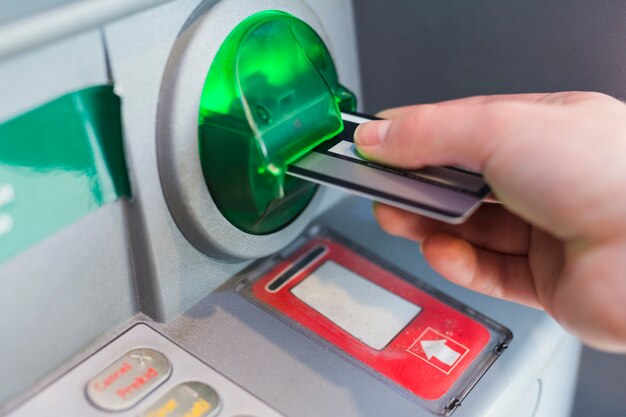
At an ATM: Insert your credit card, enter your PIN, and select the cash advance option. The ATM will dispense cash up to your available advance limit.
At a bank teller: Visit a bank branch (not necessarily your own) and request a cash advance. You'll need your credit card and ID.
By check: Some card issuers offer convenience checks that function as cash advances. You write a check against your credit line and deposit or cash it.
This is where cash advances become expensive. Three costs typically apply:
Cash advance fee: Most card issuers charge a percentage of the amount withdrawn—often 3% to 5%—with a minimum flat fee. This fee applies immediately.
Higher interest rate: Cash advances usually carry a significantly higher APR than regular purchases. This rate applies from day one—there's typically no grace period like there often is for purchases.
No rewards: Unlike credit card purchases, cash advances don't earn cashback, points, or miles.
If you withdraw $500 with a 5% fee and a 25% APR, you'd pay $25 upfront plus daily interest charges starting immediately. Over a month, interest could easily add another $10+ to your balance.
Your card issuer sets a cash advance limit, which may be lower than your overall credit limit. For example, you might have a $5,000 credit limit but only a $1,500 cash advance limit. Check your cardholder agreement or contact your issuer to find your specific limit.
Cash advances are rarely the cheapest borrowing option, but they may be worth considering if:
For planned cash needs, other options—like withdrawing from savings, using a personal loan, or asking for an advance from your employer—typically cost less.
Debit card withdrawal: If you have a linked bank account, this avoids any cash advance fees or interest entirely.
Personal loan: Banks and online lenders often offer lower interest rates than credit card cash advances, especially if you have decent credit.
Credit card balance transfer: Some cards offer introductory 0% APR periods on transfers, though this doesn't apply to cash advances.
Borrow from friends or family: Interest-free if the relationship allows it.
You can take out cash from a credit card, but the combination of upfront fees and high interest rates makes it an expensive form of borrowing. Before using a cash advance, compare the total cost against other ways to access the money you need. If you do use one, prioritize paying it back quickly to minimize interest charges.